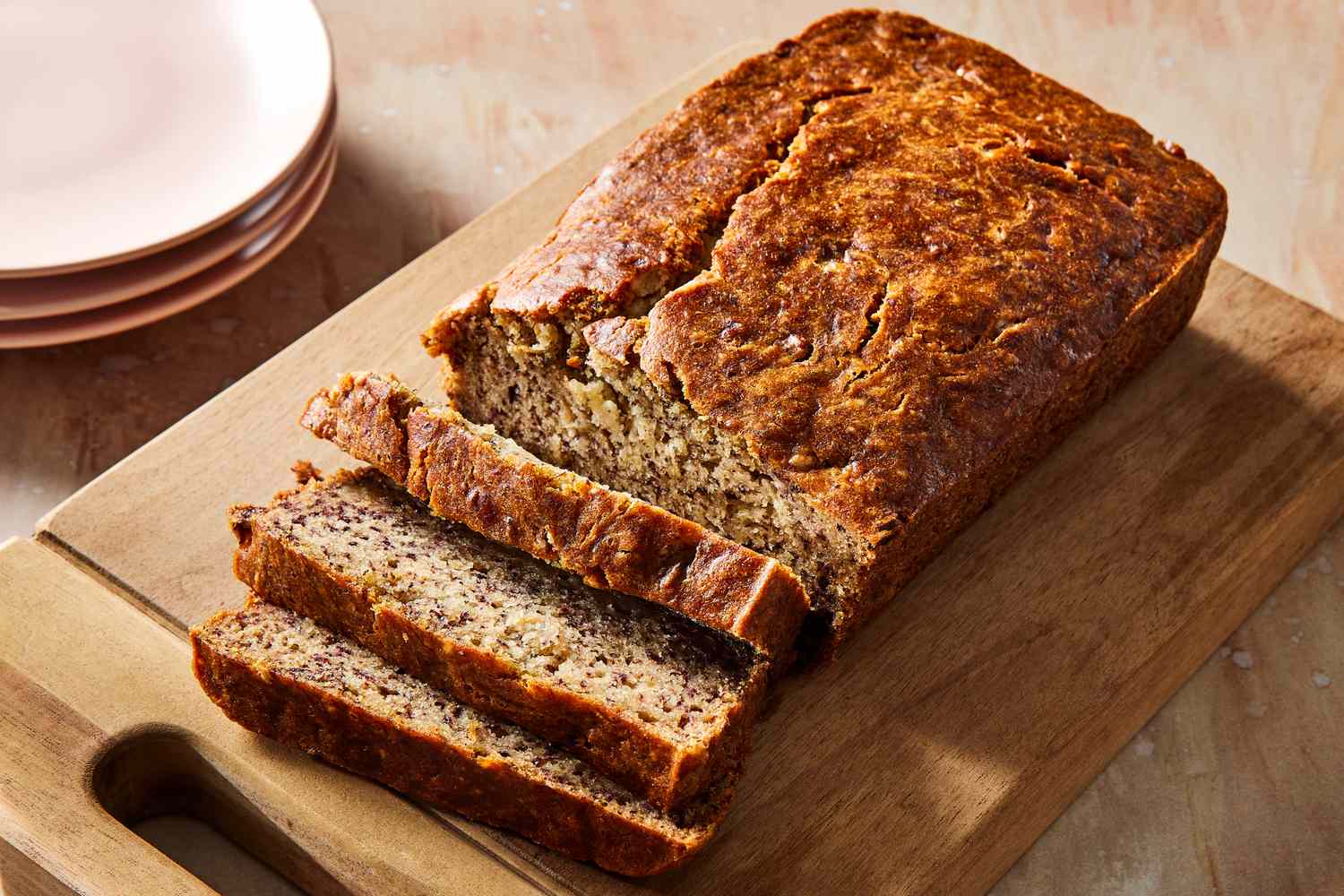
Keep Your Banana Bread Moist for Days: Your Ultimate Storage & Freezing Guide
There’s little that compares to the comforting aroma and delightful taste of a freshly baked loaf of banana bread. That perfect balance of sweetness, spice, and the soft, tender crumb makes it an instant classic for breakfast, snacks, or even dessert. But the joy can quickly diminish if your beautiful creation turns dry and crumbly after just a day or two. The secret to extending that blissful, moist texture isn't just in the baking process; it lies significantly in how you store it. This comprehensive guide will walk you through proven methods to keep your
moist and flavorful banana bread at its peak for as long as possible, ensuring every slice is as good as the first.
From simple room-temperature tricks to long-term freezing solutions, mastering proper storage techniques will transform your banana bread experience, allowing you to savor its deliciousness for days, even weeks. No more stale surprises – just perfectly moist, delectable banana bread whenever the craving strikes!
The Science of Moisture: Preventing Dryness from the Start
Before we delve into storage, it's crucial to understand that maintaining moisture in your banana bread begins long before it ever leaves the oven. Several key factors contribute to that coveted moist crumb, and addressing them during baking sets the stage for successful storage. The choice of ingredients plays a significant role: ripe, spotty bananas are not just for flavor but also for their high moisture content, which is naturally released during baking. Similarly, using brown sugar instead of solely white sugar adds an extra layer of moisture, thanks to its molasses content, which also imparts a deeper, richer flavor. Fats like butter or oil, along with eggs, further enrich the batter, contributing to a tender texture and helping to retain moisture.
Perhaps the most critical step in preventing dry banana bread is *not overbaking*. Overbaking is the arch-nemesis of a moist loaf. Always bake until just done; a toothpick inserted into the center should come out with moist crumbs attached, not wet batter. If it comes out clean, your bread is likely already overcooked and on its way to dryness. Pulling your loaf from the oven at precisely the right moment ensures maximum moisture retention. Once baked, allowing the banana bread to cool completely on a wire rack before wrapping is paramount. Wrapping a warm loaf traps steam, leading to condensation and a soggy exterior, which is entirely different from a moist interior. By focusing on these initial steps, you're not just baking delicious banana bread, you're building a foundation for long-lasting freshness. For more expert tips on achieving that perfect bake every time, check out our guide on
Pro Tips for Perfect Banana Bread.
Room Temperature Storage: Keeping Your Loaf Fresh for Days
For immediate enjoyment and short-term freshness, proper room temperature storage is your best friend. A well-stored loaf of banana bread can happily stay moist and delicious for about *four days* on your countertop. The key here is creating an environment that locks in moisture without causing sogginess.
Here’s a simple, yet highly effective method:
1.
Ensure Complete Cooling: This cannot be stressed enough. Your banana bread must be *completely cool* to the touch before you even think about wrapping it. Warm bread creates condensation, which will make your loaf unpleasantly soggy.
2.
The Paper Towel Trick: This ingenious method is a game-changer for preventing both dryness and sogginess. Line the bottom of an airtight container or a large zip-top bag with a fresh paper towel. The paper towel acts as a moisture regulator, absorbing any excess condensation that might form, preventing it from settling on the bread and making it mushy.
3.
Layer Your Loaf: Carefully place your cooled banana bread on top of the first paper towel.
4.
Another Layer of Protection: Cover the top of the banana bread with another sheet of paper towel. This dual-layer approach provides comprehensive moisture management.
5.
Seal Tightly: Close the airtight container or zip-top bag securely. The goal is to minimize air exposure, which is one of the primary culprits behind dry bread.
6.
Choose the Right Spot: Store your sealed banana bread in a cool, dry place, away from direct sunlight or any heat sources (like a stove or oven). A pantry shelf or countertop away from windows is ideal.
A Word on Refrigeration: While it might seem intuitive to refrigerate baked goods to extend their life, it's generally *not recommended* for banana bread. The cool, dry air inside a refrigerator can actually accelerate the drying-out process, making your banana bread turn stale and hard more quickly than at room temperature. Stick to the paper towel method at room temperature for optimal short-term freshness.
Freezing Banana Bread: Long-Term Freshness Unlocked
If you’ve baked an extra loaf (or two!), or simply want to prepare ahead for future cravings, freezing is an excellent option for preserving your banana bread’s delicious quality for months. Banana bread freezes exceptionally well, making it a perfect candidate for batch baking or utilizing those overly ripe bananas when you have more than you can eat.
Proper preparation is vital to prevent freezer burn and maintain that irresistible moist texture:
Freezing a Whole Loaf:
1.
Cool Completely: Just like with room temperature storage, make absolutely sure your banana bread is
fully cooled. Even a hint of warmth can lead to ice crystals and freezer burn.
2.
First Layer: Plastic Wrap: Tightly wrap the entire loaf in several layers of plastic wrap. Ensure there are no gaps or exposed areas. The goal here is to create a secure, airtight barrier that protects the bread from freezer burn, which causes dry, tough spots.
3.
Second Layer: Aluminum Foil: After the plastic wrap, add a layer of heavy-duty aluminum foil. This extra layer provides an additional defense against air exposure and helps shield the banana bread from absorbing any unwanted freezer odors. This double-wrapping method is key to preserving moisture and flavor.
4.
Label and Date: Use a permanent marker to clearly label the package with the contents and the date it was frozen. This helps you keep track of its freshness. Properly frozen banana bread can maintain excellent quality for
2 to 4 months. Beyond that, it's still safe to eat, but the quality might gradually diminish.
Freezing Individual Slices:
This method is perfect for portion control and easy thawing, allowing you to enjoy a single serving of banana bread whenever you like.
1.
Slice and Wrap: Once the loaf is completely cool, slice it into individual portions. Wrap each slice tightly in plastic wrap.
2.
Container or Bag: Place the individually wrapped slices into a freezer-safe zip-top bag or an airtight container. This provides an additional layer of protection and keeps the slices organized.
3.
Label: Don't forget to label with the date.
Thawing and Reheating for Maximum Enjoyment
Once your frozen banana bread is ready to be enjoyed, proper thawing is just as important as proper freezing to ensure it regains its original moist texture.
Thawing a Whole Loaf:
1.
Room Temperature Thaw: The best way to thaw a whole loaf is to transfer it from the freezer to your countertop and let it sit at room temperature. The crucial step here is to leave it *wrapped* in its plastic wrap and foil layers while it thaws. This prevents condensation from escaping, allowing the moisture to redistribute back into the bread and preventing it from drying out on the surface.
2.
Patience is Key: A whole loaf can take several hours (4-6 hours) or even overnight to thaw completely, depending on its size and ambient room temperature.
Thawing Individual Slices:
Individual slices offer more flexibility and quicker thawing times:
1.
Room Temperature: Simply unwrap a slice and let it sit on the counter for 30-60 minutes.
2.
Microwave: For a quick warm-up, place an unwrapped slice on a microwave-safe plate and heat for 15-30 seconds, or until warmed through. Be careful not to overheat, as this can dry it out.
3.
Toaster Oven: For a slightly crispy exterior and warm interior, place an unwrapped slice in a toaster oven set to a low-medium temperature for a few minutes. This method can wonderfully revive the crust.
4.
Conventional Oven: If you want to replicate that "freshly baked" feel for a few slices or a small piece, you can wrap them loosely in aluminum foil and heat in a preheated oven at 300°F (150°C) for about 10-15 minutes.
Conclusion
There's no need to rush through a whole loaf of banana bread or resign yourself to dry, crumbly slices. By implementing these simple yet effective storage and freezing techniques, you can significantly extend the life and deliciousness of your homemade treat. From the humble paper towel trick for room temperature storage to the secure double-wrapping method for long-term freezing, you now have all the tools to keep your banana bread incredibly moist and flavorful for days, weeks, or even months. So go ahead, bake that extra loaf, knowing that every single slice will be as tender and delightful as the day it came out of the oven. Enjoy the lasting joy of perfectly preserved banana bread!